Address
304 North Cardinal
St. Dorchester Center, MA 02124
Work Hours
Monday to Friday: 7AM - 7PM
Weekend: 10AM - 5PM
Address
304 North Cardinal
St. Dorchester Center, MA 02124
Work Hours
Monday to Friday: 7AM - 7PM
Weekend: 10AM - 5PM
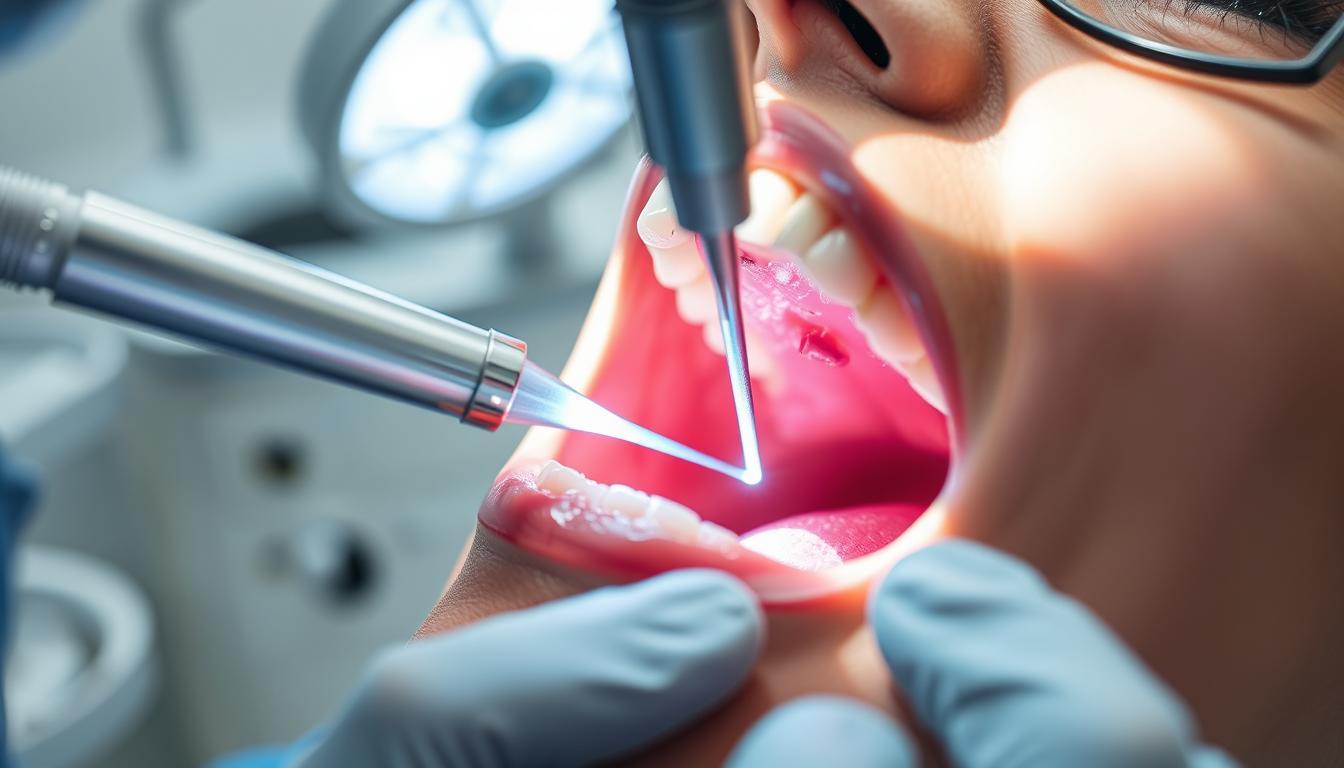
Gum disease is a significant threat to dental health, affecting approximately 50% of adults over 30, according to the Centers for Disease Control and Prevention. Laser gum surgery, specifically LANAP (Laser-Assisted New Attachment Procedure), offers a modern solution to this widespread issue.
This advanced treatment option has gained popularity due to its effectiveness in addressing gum disease. As patients consider this procedure, understanding the associated costs and insurance coverage is crucial.
The financial aspects of laser gum surgery can be complex, involving factors such as insurance coverage, out-of-pocket expenses, and the overall cost of treatment. This guide will help patients navigate these considerations and make informed decisions about their periodontal health care.
Laser gum surgery has emerged as a revolutionary treatment for gum disease, offering a more comfortable and efficient alternative to traditional surgical methods. This advanced procedure utilizes laser technology to target and remove diseased tissue, promoting healthier gums and supporting structures.
LANAP is a specific type of laser gum surgery that has gained recognition for its effectiveness in treating periodontal disease. “LANAP is a game-changer in periodontal treatment,” as it allows for the precise removal of diseased tissue while preserving healthy gum tissue. This minimally invasive procedure involves using a specialized laser to target and eliminate diseased tissue, promoting the regeneration of healthy tissue and reattachment to the tooth.
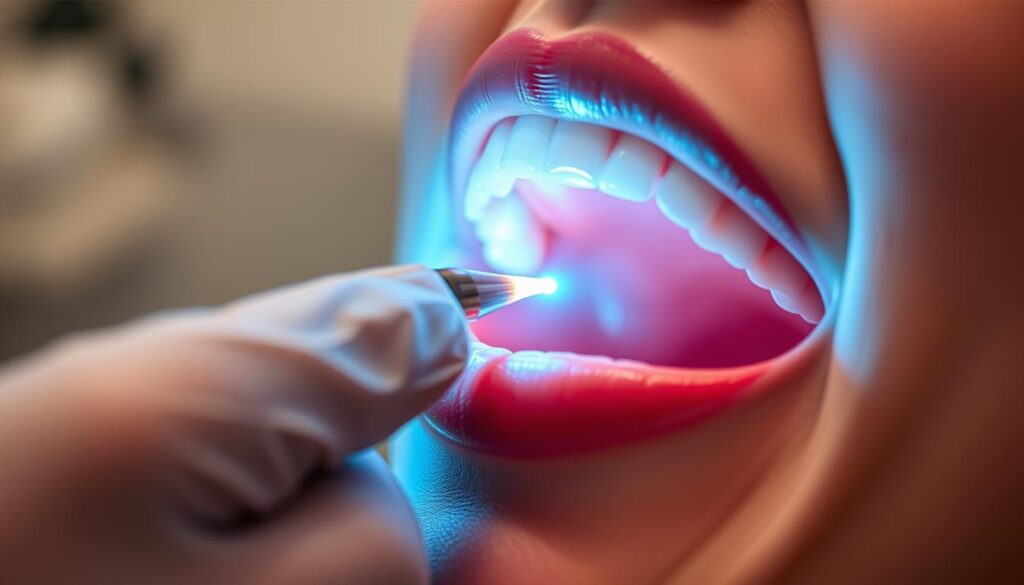
Laser gum surgery differs significantly from traditional periodontal surgery in several key ways. Traditional methods involve cutting the gums with a scalpel, removing infected tissue, and suturing the gums back in place. In contrast, laser gum surgery uses light energy to precisely target diseased tissue, reducing the need for incisions and sutures. This results in less bleeding, swelling, and post-operative pain, making the recovery process more comfortable for patients.
The benefits of laser gum surgery include reduced recovery time, with most patients returning to normal activities within 24 hours. Additionally, the laser’s ability to seal blood vessels as it works reduces the risk of infection and eliminates the need for sutures, making the healing process more predictable.
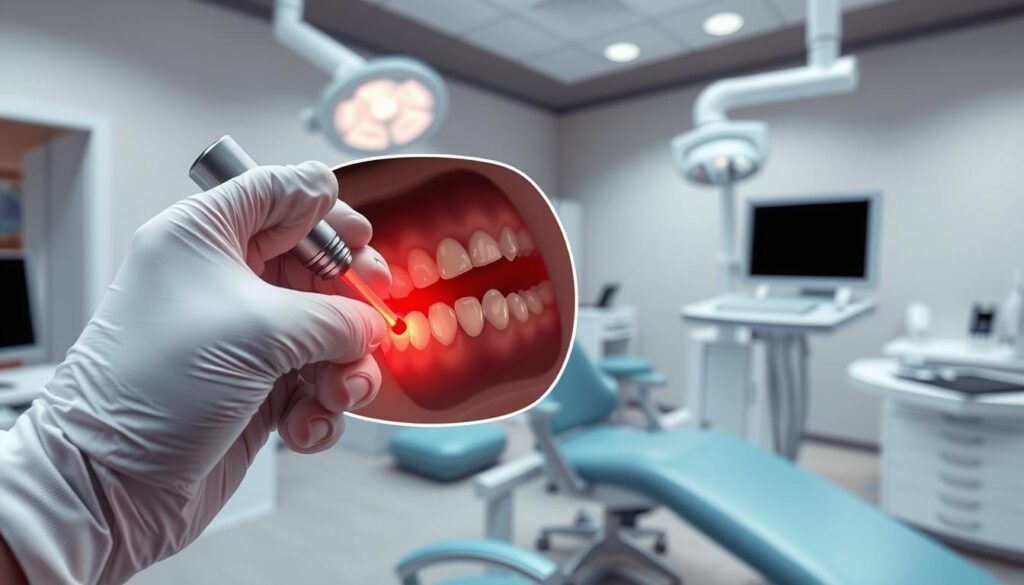
Understanding the cost of laser gum surgery with insurance is crucial for patients considering this treatment option. The cost can vary based on several factors, including the extent of the treatment and the patient’s insurance coverage.
LANAP (Laser-Assisted New Attachment Procedure) treatment costs can vary depending on the complexity of the case and the dental practice. Generally, the cost for LANAP treatment ranges significantly.
Per-quadrant pricing for laser gum surgery typically ranges from $1,000 to $4,000, with insurance potentially covering 40-80% of these costs depending on the patient’s plan.
When considering laser gum surgery, patients often have to decide between per-quadrant treatment and full-mouth treatment. The costs for these options vary significantly.
Understanding insurance coverage is crucial for patients considering laser gum surgery. To discover your plan’s exact benefits and limitations, it is essential to consult with your dentist and insurance provider.
Dental insurance coverage for laser gum surgery varies by provider and plan. Typically, insurance companies cover a portion of periodontal procedures, including laser gum surgery, under specific CDT codes. Patients should review their insurance plan to understand the coverage percentages and annual maximums that apply to their treatments.
Some insurance plans may cover laser gum surgery under traditional periodontal surgery codes, while others may have specific codes for laser periodontal therapy. It’s essential to verify the coverage details with your insurance provider.
To ensure you understand your insurance benefits, follow these steps:
Consulting with your dentist and insurance provider will help you understand your coverage and make informed decisions about your treatment.
| Insurance Coverage Aspect | Description |
|---|---|
| Coverage Percentage | The percentage of laser gum surgery costs covered by your insurance plan. |
| Annual Maximums | The maximum amount your insurance will pay for dental treatments per year. |
| CDT Codes | Specific codes used to identify and cover laser gum surgery under your insurance plan. |

Understanding the factors that impact laser gum surgery costs is crucial for patients. The overall expense can be influenced by several key elements, making it essential to consider these variables when planning for the treatment.
The severity of gum disease plays a significant role in determining the cost of laser gum surgery. More advanced cases require more extensive treatment, which can increase the overall cost. The complexity of the procedure and the time required to complete it are directly related to the severity of the condition.
Geographic location is another critical factor that influences the cost of laser gum surgery. Dental practices in urban areas or regions with a high cost of living may charge more for their services compared to those in rural areas. This variation is due to differences in operational costs and local demand.
The dentist’s expertise and qualifications also impact the cost. Specialists like periodontists, who have completed additional years of training, typically charge 20-30% more than general dentists. Dentists with extensive experience and advanced certifications in laser dentistry may also command premium fees due to their specialized knowledge and the quality of care they provide. The type and quality of technology used can also affect the cost, with modern FDA-approved laser systems being more expensive.
Beyond insurance coverage, there are additional costs associated with laser gum surgery that patients need to be aware of. Understanding these expenses can help in planning and budgeting for the treatment.
Patients should anticipate deductibles and copayments as part of their out-of-pocket expenses. These costs vary depending on the insurance plan and the specifics of the laser gum surgery procedure.
For instance, some insurance plans may have higher deductibles for periodontal procedures or specific copayment rates for laser treatments.
Several services related to laser gum surgery may not be covered by standard dental insurance, including:
These services, while potentially not covered, are crucial for the success and outcome of the laser gum surgery.
Some dental offices offer package pricing for full-mouth treatment, which can provide savings compared to treating each quadrant separately. The following table illustrates a potential cost comparison:
| Treatment Type | Cost per Quadrant | Full-Mouth Treatment Cost |
|---|---|---|
| Laser Gum Surgery | $1,000 – $1,500 | $3,000 – $6,000 |
| Package Pricing (Full-Mouth) | – | $2,500 – $5,000 |
Understanding these costs and exploring available treatment options can help patients make informed decisions about their periodontal care.
The LANAP procedure is a modern approach to addressing gum disease using advanced laser technology. This method has revolutionized the treatment of periodontal disease, offering patients a more comfortable and effective alternative to traditional surgical methods.
During the LANAP procedure, your dentist will use the PerioLase MVP-7 dental laser, which is specifically designed for treating periodontal disease. This laser technology allows for precise targeting of infected areas while preserving healthy gum tissue. The procedure involves minimal bleeding and promotes healing by creating a stable fibrin clot that encourages tissue attachment.
The PerioLase MVP-7 laser features seven variable pulse durations that interact with the gum tissue in different targeted ways. This advanced technology operates at a specific wavelength (1064 nanometers) that can differentiate between healthy and diseased tissue. The laser’s ability to kill bacteria extends beyond the visible treatment area, helping to sterilize periodontal pockets and create an environment conducive to healing. 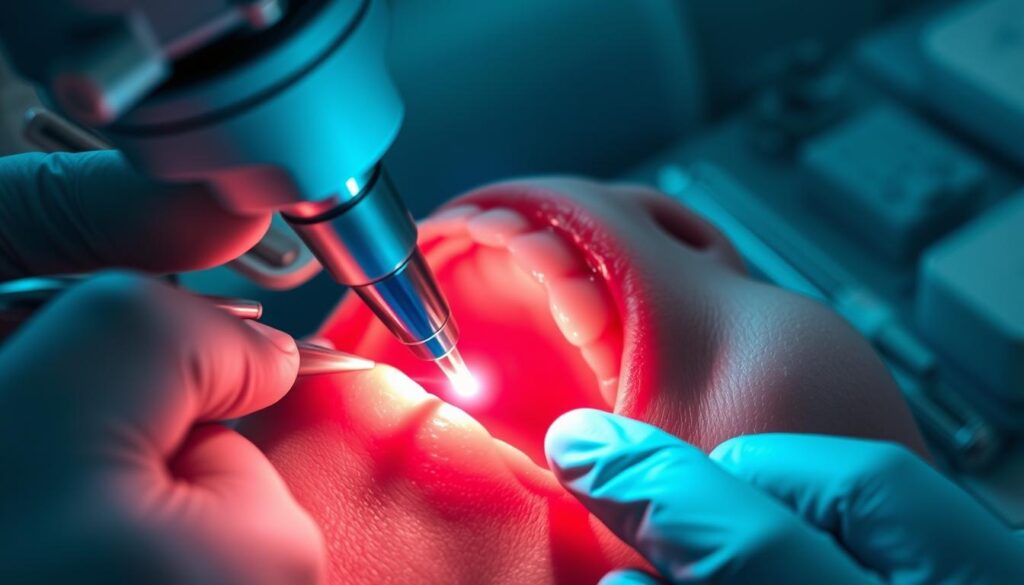
The LANAP procedure is designed to be effective and minimally invasive, making it an attractive option for patients with laser gum concerns. By utilizing advanced laser technology, dentists can provide a more comfortable treatment experience with reduced recovery time.
Understanding the recovery and aftercare process is crucial for optimal healing after laser gum surgery. Since LANAP treatment doesn’t involve incisions or stitches, the recovery process is generally easier compared to traditional gum surgery methods.
Proper care after laser gum surgery is essential for promoting healthy gums and teeth. Patients are advised to follow a gentle oral hygiene routine and attend follow-up appointments to monitor healing progress.
The initial healing phase occurs within the first 24-48 hours. During this time, patients may experience mild swelling or discomfort. By the end of the first week, the gum tissue begins to reattach to the teeth surfaces. Most patients can resume normal oral hygiene practices within 2-4 weeks. It’s essential to maintain good oral hygiene to prevent bacteria buildup in the mouth.
When considering gum surgery, understanding the cost implications of laser treatment versus traditional methods is crucial. Many factors influence the overall expense, including the severity of the gum disease and the technology used.
Laser gum surgery, also known as LANAP (Laser-Assisted New Attachment Procedure), may have a higher initial cost compared to traditional gum surgery. However, the precision of laser treatment can lead to more effective results, potentially reducing the need for additional treatments. The cost of laser gum surgery can vary based on factors such as the dentist’s expertise and geographic location.
While the initial cost of laser gum surgery might be higher, several long-term cost benefits can make it a more economical choice. These include:
These factors contribute to the overall cost-effectiveness of laser gum surgery compared to traditional methods.
The cost of laser gum surgery can be daunting, but various financing options can help alleviate the financial burden. Most health insurance providers cover laser gum treatment, making it more accessible to patients.
Patients can explore payment plans and dental credit cards as viable financing options. These allow for the distribution of costs over time, making the treatment more manageable.
Health Savings Accounts (HSAs) and Flexible Spending Accounts (FSAs) offer tax advantages that can help reduce the cost of laser gum surgery. Key benefits include:
With its FDA approval and decades of use, LANAP has established itself as a reliable treatment option for gum disease. Laser gum surgery represents a significant advancement in periodontal disease treatment, offering patients a less invasive alternative to traditional surgery.
When considering laser gum therapy, patients should evaluate both the immediate expense and long-term benefits, including reduced recovery time and potentially better preservation of natural teeth. The investment in laser gum treatment extends beyond oral health, as research demonstrates connections between periodontal disease and systemic conditions.
Ultimately, the decision to pursue laser gum surgery should be based on a thorough discussion with dental professionals about individual needs and treatment goals. For many patients with moderate to severe gum disease, the benefits of laser treatment justify the investment in this advanced therapy option.