Address
304 North Cardinal
St. Dorchester Center, MA 02124
Work Hours
Monday to Friday: 7AM - 7PM
Weekend: 10AM - 5PM
Address
304 North Cardinal
St. Dorchester Center, MA 02124
Work Hours
Monday to Friday: 7AM - 7PM
Weekend: 10AM - 5PM

The digital landscape in Kenya is rapidly evolving, presenting businesses with new opportunities while exposing them to cyber threats that can devastate operations.
In recent years, Kenya has seen a dramatic increase in cyber-attacks, targeting businesses of all sizes for financial gain or disruption. The financial impact of such incidents extends beyond immediate losses to include regulatory fines, legal expenses, and significant reputational damage.
Cyber insurance provides Kenyan businesses with specialized protection against emerging digital threats, offering both financial coverage and expert support during incidents.
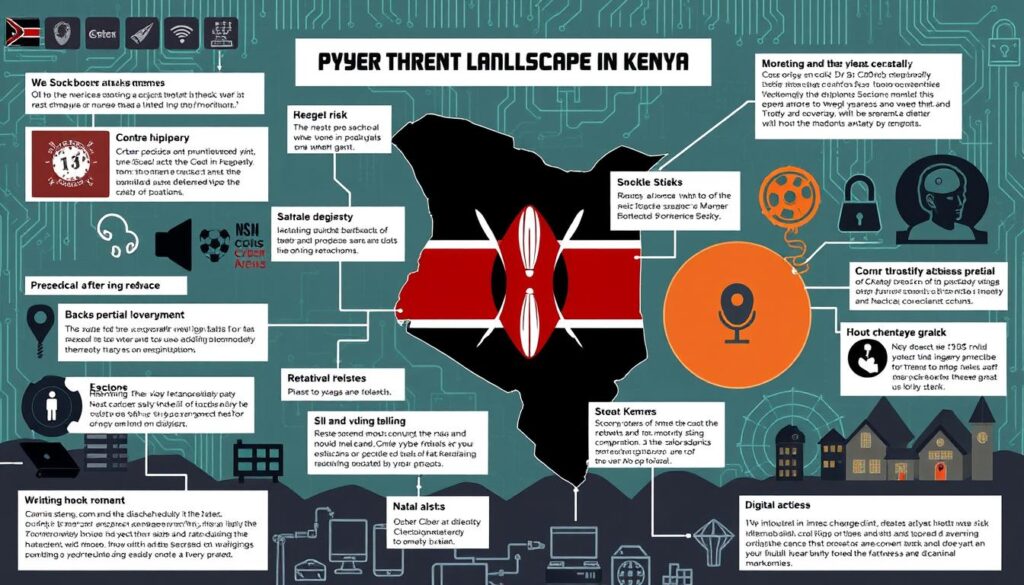
Kenya is facing an escalating cyber threat landscape that demands immediate attention from businesses. The various types of cyber incidents that create cyber risk include hacker attacks, spear phishing via emails, virus, malware, ransomware, or spyware, IT system failure, cyber extortions, denial of service attacks, malicious destruction of data or misuse of personal data, breach of privacy, defamation or slander, including the transmission of malicious content.
Kenya has witnessed a significant rise in cybercrime, with various statistics highlighting the severity of the issue. Cybercrime statistics indicate a growing trend of attacks targeting Kenyan businesses.
Kenyan businesses face numerous cyber threats, including:

As Kenyan businesses increasingly rely on digital technologies, understanding cyber insurance is crucial for their survival. Cyber insurance provides financial protection against cyber-attacks, data breaches, and other cyber-related losses.
Cyber liability insurance is a type of insurance that covers businesses against cyber-related risks. It includes first-party and third-party insurance policies for cyber losses. First-party coverage insures against losses to the policyholder’s own data, lost income, or other harm resulting from a cyber-attack.
Cyber insurance differs significantly from traditional insurance. Traditional insurance policies, such as property and general liability, typically exclude cyber risks. Cyber insurance policies, on the other hand, are dynamic and regularly updated to respond to emerging cyber threats. The underwriting process for cyber insurance involves a detailed assessment of a company’s digital security practices and network infrastructure.
Kenyan businesses are increasingly vulnerable to cyber threats, making cyber insurance a vital component of their risk management strategy. Cyber insurance provides comprehensive protection against various cyber risks, ensuring business continuity in the face of an attack.
Cyber insurance offers financial protection by covering costs associated with business interruption, data recovery, and legal expenses following a cyber incident. This coverage ensures that businesses can quickly recover and minimize financial losses.
Cyber insurance policies often include reputation management support to help businesses maintain stakeholder trust during and after a cyber incident. This support includes professional public relations services, strategic communication, and media liability coverage.
| Benefit | Description |
|---|---|
| Financial Protection | Covers costs associated with business interruption and data recovery. |
| Reputation Management | Includes public relations services and media liability coverage. |
| Cyber Liability Coverage | Protects against legal expenses and regulatory fines. |

First-party cyber insurance coverage is a vital component of a comprehensive cyber risk management strategy for Kenyan businesses. This type of coverage is designed to help businesses recover from cyber incidents by covering various costs associated with the breach.

Business interruption coverage is a critical aspect of first-party cyber insurance. It provides financial protection against losses incurred due to business disruptions caused by cyber incidents, ensuring that businesses can recover quickly and minimize financial losses.
Data recovery and system restoration coverage helps businesses recover from cyber attacks by covering the costs associated with restoring compromised data and systems. This coverage is essential for businesses that rely heavily on their IT infrastructure.
Ransomware and cyber extortion protection covers the costs associated with responding to threats that involve the compromise of a business’s data or systems for financial gain. This includes ransom payments, negotiation services, and forensic investigation services to determine the extent of system compromise.
Third-party cyber insurance coverage is a critical component of a comprehensive cyber insurance policy for Kenyan businesses. This type of coverage protects businesses against claims arising from third-party interactions, including data breaches and other cyber incidents.
Liability for data breaches is a significant concern for Kenyan businesses. Cyber liability insurance covers the costs associated with notifying and compensating affected parties, as well as legal expenses.
Regulatory defense and penalties coverage is essential for businesses facing regulatory scrutiny following a cyber incident. This coverage helps businesses manage the financial impact of regulatory actions.
Media liability coverage protects Kenyan businesses against claims arising from content published on digital platforms. This includes allegations of defamation, copyright infringement, and invasion of privacy. Kenyan businesses with significant digital marketing operations benefit from this coverage, which addresses the unique risks associated with online content creation and distribution.
Understanding the types of data protected under cyber insurance is crucial for Kenyan businesses. Cyber insurance policies are designed to safeguard various categories of sensitive information.
Personal Identifiable Information (PII) includes data such as names, addresses, and identification numbers. Cyber insurance protects this information from unauthorized access or theft.
Protected Health Information (PHI) encompasses health records and medical information. Cyber insurance coverage helps businesses handling PHI to mitigate risks associated with data breaches.
Payment Card Information (PCI) includes names, account numbers, expiration dates, and security codes used in payment card transactions. PCI coverage is vital for Kenyan retailers and e-commerce businesses that process a high volume of credit and debit card transactions.
| Type of Data | Description | Coverage Benefits |
|---|---|---|
| PII | Names, addresses, identification numbers | Protection against unauthorized access or theft |
| PHI | Health records, medical information | Mitigation of risks associated with data breaches |
| PCI | Payment card details, security codes | Coverage for breach costs, contractual liabilities |

Cyber insurance in Kenya is essential for business security, providing coverage against various data risks. By understanding the types of data protected, businesses can better manage their risk and enhance their overall security posture.
In today’s digital landscape, Kenyan businesses face an unprecedented level of cyber threats. All organizations, whether start-ups, non-profit, or multinational, require cyber liability insurance to keep their operations up and running in the face of a cyber-attack.
SMEs in Kenya are increasingly becoming targets for cybercriminals due to their often limited cybersecurity measures. Cyber insurance provides SMEs with the necessary financial protection against data breaches and cyber incidents, helping them recover quickly and maintain business continuity.
Large corporations and multinationals operating in Kenya face complex cyber risks. They require customized cyber insurance solutions that address their specific operational risks and regulatory obligations. Key considerations include:

Understanding the common exclusions in cyber insurance policies is crucial for Kenyan businesses to avoid unexpected surprises. Cyber insurance policies are designed to protect businesses from various cyber risks, but they often come with specific exclusions that can limit the scope of coverage.

Cyber insurance policies typically exclude coverage for damages resulting from war and terrorism. This exclusion is critical because acts of war or terrorism can lead to significant cyber disruptions or attacks. Businesses should be aware that losses incurred due to such events may not be covered under their standard cyber insurance policy.
Cyber insurance policies also typically exclude coverage for wilful, intentional, deliberate, malicious, fraudulent, dishonest, or criminal acts or omissions of the insured. Some key aspects to consider include:
It’s essential for businesses to understand these exclusions to manage their cyber liability effectively and ensure they have adequate coverage in place.

The process of selecting the right cyber insurance provider in Kenya involves evaluating multiple aspects to ensure your business is adequately protected against cyber threats. As your trusted partner in cyber insurance, our expert claims team is always available 24/7 to help navigate a breach with swift response and rapid recovery.
When choosing a cyber insurance provider, Kenyan businesses should consider factors such as the insurer’s experience in handling cyber claims, the comprehensiveness of their coverage, and their ability to respond to incidents effectively. The insurer’s team should be adept at managing cyber incidents.
To ensure you’re selecting the right cyber insurance provider, ask potential insurers about their experience with cyber claims in Kenya, their average response time to incidents, and the legal resources they provide. Inquire about pre-breach risk management services, how they stay updated on evolving cyber threats, and their industry-specific expertise. Understanding their claims process and how they handle complex incidents is also crucial.
Several critical factors impact the cost of cyber insurance for businesses in Kenya. Understanding these elements is essential for companies to make informed decisions about their cyber risk management strategies.
Cyber insurance premiums are not one-size-fits-all; they are tailored based on various considerations.
The industry and size of a business significantly influence cyber insurance costs. Certain sectors, such as finance and healthcare, are considered high-risk due to the sensitive data they handle, leading to higher premiums. Large corporations typically face higher costs compared to small and medium enterprises (SMEs) due to their larger digital footprint and potential exposure to cyber threats.
Implemented security measures directly impact cyber insurance premiums. Businesses with robust security controls, such as multi-factor authentication and regular security testing, may qualify for discounts. Additionally, a company’s claims history and that of its industry sector in Kenya influence premium calculations, as insurers assess the likelihood of future incidents.
In addition to cyber insurance, Kenyan businesses should employ robust cyber risk management strategies to enhance their security posture. These complementary measures can significantly reduce the risk and impact of cyber incidents.
Employee training is a critical component of cyber risk management. Educating employees on cybersecurity best practices and phishing attacks can prevent many common cyber threats. Regular training sessions and awareness programs help ensure that the team is vigilant and prepared to respond to potential security incidents.
Implementing robust technical security measures is vital for protecting business systems and data. This includes deploying multi-layered defenses such as next-generation firewalls, endpoint protection, and data loss prevention tools. Regular vulnerability scanning and penetration testing help identify and address security weaknesses before they can be exploited.
| Technical Security Measure | Description | Benefit |
|---|---|---|
| Next-Generation Firewalls | Advanced perimeter defense | Blocks sophisticated attacks |
| Endpoint Protection | Protects endpoint devices | Prevents malware infections |
| Data Loss Prevention | Monitors and controls data | Prevents data breaches |
By combining employee training, technical security measures, and other risk management strategies, Kenyan businesses can significantly enhance their overall protection against cyber threats.
Cyber insurance has become a critical component of business risk management in Kenya’s growing digital economy. As Kenyan businesses increasingly rely on digital technologies, their exposure to cyber threats escalates. Cyber insurance provides financial protection and incident response expertise, enabling businesses to recover from cyber incidents without depleting operational reserves.
By combining robust cyber insurance with comprehensive security controls and employee awareness, Kenyan businesses can build resilience against cyber threats. Regularly reviewing and updating security measures and insurance coverage is crucial to address emerging risks.