Address
304 North Cardinal
St. Dorchester Center, MA 02124
Work Hours
Monday to Friday: 7AM - 7PM
Weekend: 10AM - 5PM
Address
304 North Cardinal
St. Dorchester Center, MA 02124
Work Hours
Monday to Friday: 7AM - 7PM
Weekend: 10AM - 5PM
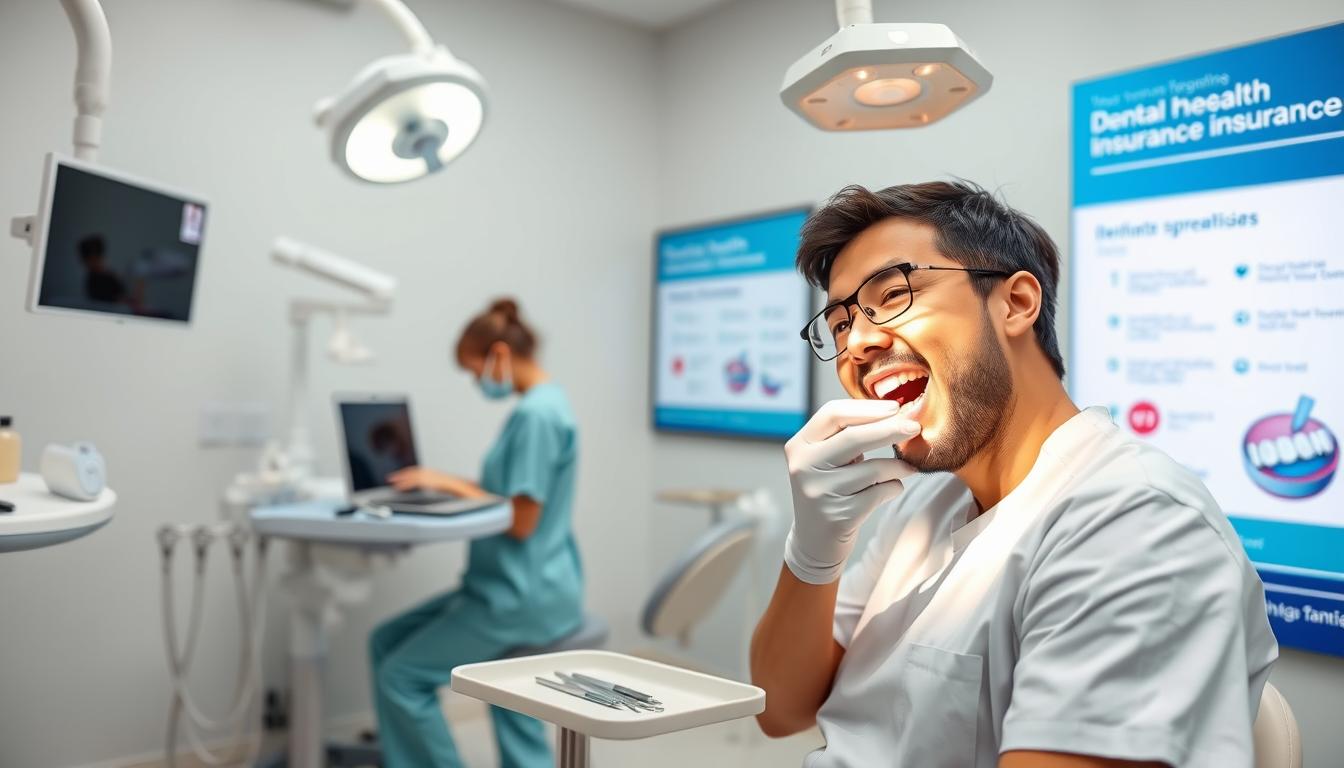
A dental narrative is a detailed written record that documents every aspect of a patient’s care, including examination findings, diagnoses, treatment procedures, and the decision-making process behind each step.
This comprehensive record serves not only as a clinical document but also as a legal record that protects both the patient and the healthcare provider, while facilitating communication between healthcare teams and insurance providers.
Effective dental narratives play a crucial role in insurance claims, significantly impacting claim approval rates, practice revenue, and ultimately, patient satisfaction with their dental care experience.
Dental narratives are detailed records that form the backbone of a well-organized dental practice. They ensure quality patient care by helping to manage risks and maintain professional accountability.
A dental narrative is a comprehensive written explanation that documents clinical findings, diagnosis, treatment rationale, and procedures performed for a patient. It serves as a bridge between clinical dental work and the administrative requirements of insurance companies.

Dental narratives play a crucial role in insurance claims by translating complex dental procedures into justifiable claims. They provide detailed information about the patient’s condition, the diagnostic process, and treatment alternatives considered.
As
“Effective narratives include detailed information about the patient’s condition, the diagnostic process, treatment alternatives considered, and why the chosen procedure was the most appropriate option.”
, insurance companies rely on these narratives to determine whether a procedure meets their criteria for medical necessity and coverage eligibility.
Well-crafted dental narratives are essential for efficient insurance claim processing. A well-written dental narrative clearly justifies procedures, including detailed clinical findings and treatment rationale, thereby reducing the need for additional information requests and expediting the claim process.

Well-crafted dental narratives significantly reduce the time between service delivery and payment receipt, improving cash flow for dental practices. When narratives clearly establish medical necessity from the outset, insurance companies can process claims faster without requesting additional information or clarification.
Detailed narratives that address potential questions preemptively minimize the risk of claim denials, which can be time-consuming and costly to appeal. Insurance companies often have specific requirements for documentation; meeting these standards through comprehensive dental narratives increases first-pass approval rates.
Clear communication through narratives helps insurance providers understand the clinical reasoning behind treatment decisions, building trust in the provider’s judgment. Narratives that include specific patient symptoms, clinical findings, and treatment rationale demonstrate the direct connection between the patient’s condition and the necessity of care.
Effective dental narratives are the backbone of successful dental insurance claims. To ensure that your narrative is effective, several key elements must be included.
Comprehensive clinical notes are the foundation of a strong dental narrative. These notes should capture all relevant patient information, including medical history, current symptoms, and examination findings. By systematically recording patient history, current conditions, examination findings, and planned treatments, you can create a solid foundation for your narrative.
Precision is key when it comes to dental narratives. Replace general statements with measurable terms and detailed descriptions of clinical observations, procedures performed, and outcomes achieved. This clarity leaves no room for ambiguity, ensuring that your narrative is clear and concise.
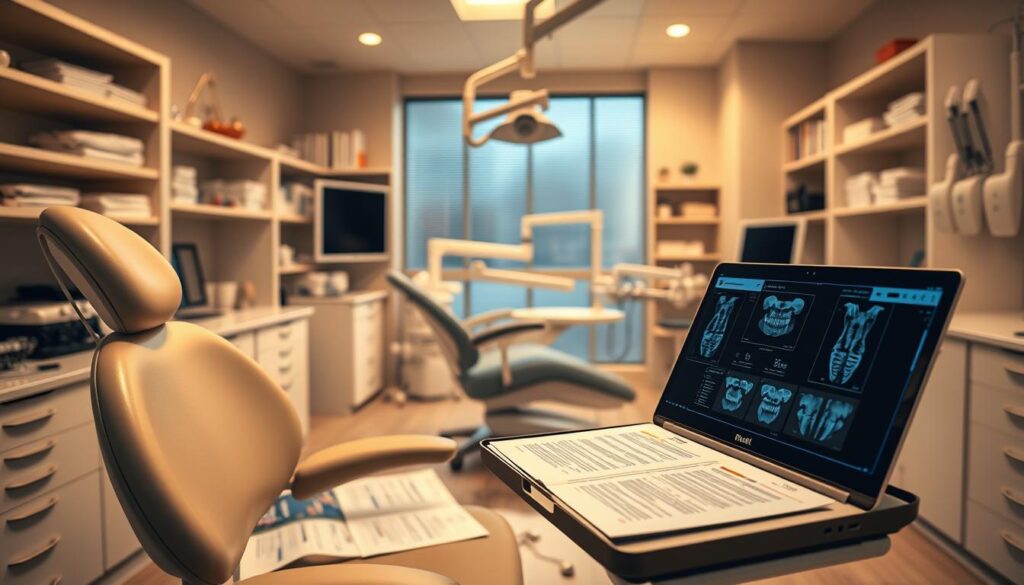
Incorporating standard dental terminology maintains professionalism and consistency in your narrative. However, it’s essential to strike a balance between demonstrating expertise and avoiding excessive jargon or abbreviations that could confuse readers or lead to misinterpretation.
Documenting the medical justification for each procedure is critical. This includes symptoms, diagnoses, and the rationale for treatment, ensuring that your narrative aligns with insurance requirements and industry expectations. By clearly establishing medical necessity, you can strengthen your case for the chosen procedure.
Some essential elements to include in your dental narrative are:
The following examples demonstrate how well-crafted dental narratives can facilitate insurance reimbursement for various dental procedures. These narratives are crucial for establishing medical necessity and ensuring that insurance providers have a clear understanding of the treatment provided.
A detailed narrative for a crown placement procedure might include the initial condition of the tooth, the preparation process, and the type of crown used. For instance, “Patient presented with tooth #19 having extensive decay on the mesial, occlusal, and distal surfaces, with approximately 70% of the tooth structure compromised.”
The narrative should continue with details on the removal of decayed material, tooth preparation, temporary crown placement, and the cementation of the permanent crown. This level of detail helps justify the medical necessity of the procedure.
For root canal therapy, the narrative should include diagnostic findings such as pulp infection and the condition of the affected tooth. An example might read, “Patient presented with severe, spontaneous pain in tooth #30 that intensified with pressure and temperature changes.”
The narrative should then detail the root canal procedure, including working length determination, canal preparation techniques, and obturation materials used. This ensures a comprehensive understanding of the treatment.
For periodontal procedures like scaling and root planing, the narrative should record pocket depths, areas of bleeding, and the presence of calculus. For example, “Patient presents with generalized moderate to severe chronic periodontitis, with probing depths ranging from 5-7mm in all four quadrants.”
The narrative should also describe the scaling and root planing process, including the use of local anesthetics and the instrumentation used. This level of detail is essential for insurance approval.
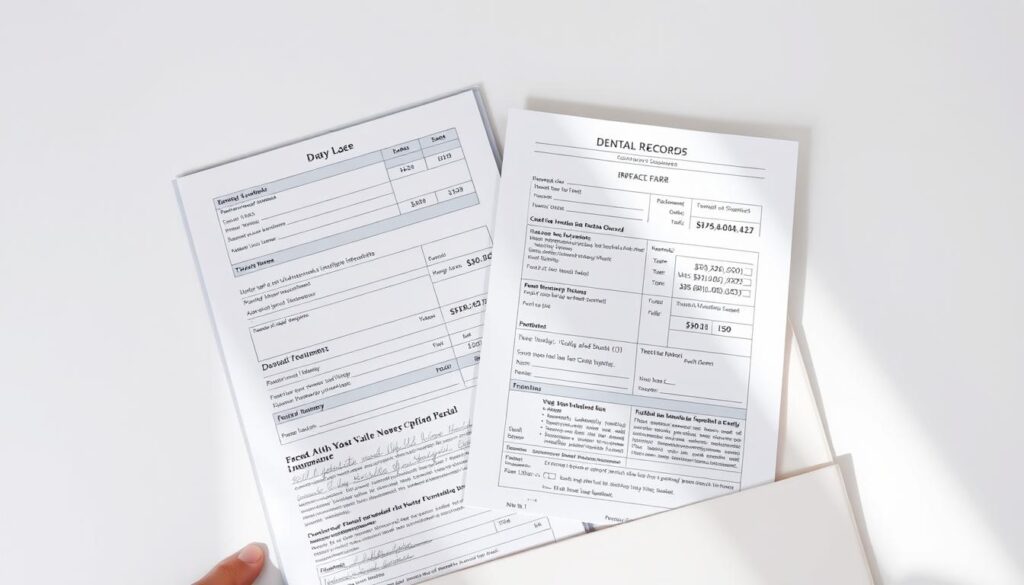
These examples illustrate the importance of detailed and specific dental narratives in securing insurance reimbursement. By providing clear and comprehensive documentation, dental providers can ensure successful claims and better patient outcomes.
The complexity of dental implant and extraction procedures demands detailed narratives that capture the nuances of each treatment.
A well-documented dental narrative for implant placement should include site preparation, bone grafting, implant dimensions, and placement technique. For instance, a patient’s CBCT scan may reveal insufficient bone width, necessitating ridge augmentation prior to implant placement.
A thorough narrative for tooth extraction should record the indication for removal, such as severe decay or impaction. It should also detail the surgical approach, including instruments and techniques used.
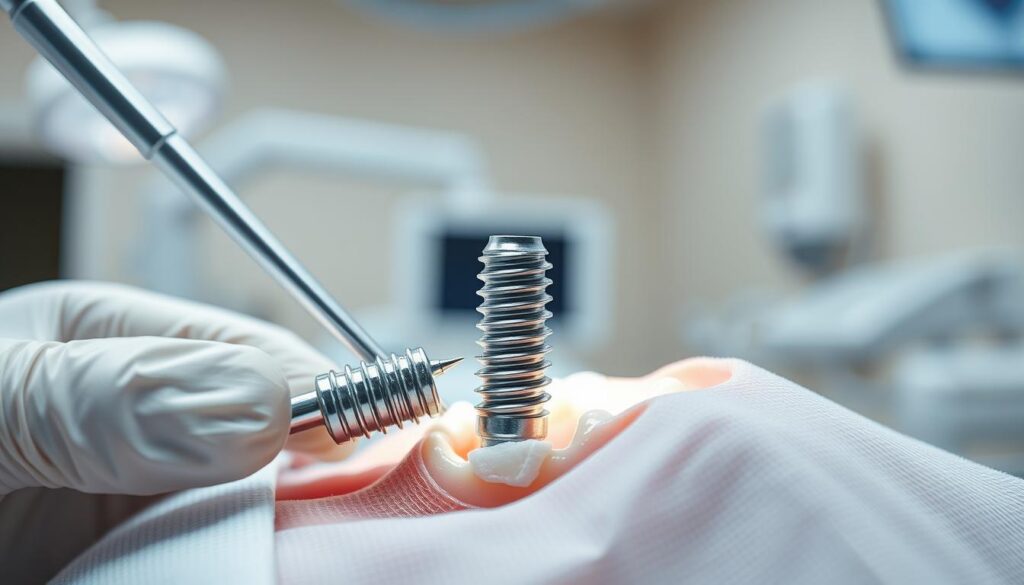
These detailed narratives help insurance companies understand the necessity of the treatment, improving the likelihood of claim approval.
Effective dental narratives require a nuanced understanding of what insurers need to approve claims. Crafting a narrative that is both informative and compliant with insurance requirements is crucial for avoiding claim denials.
Using generic templates can lead to narratives that lack patient-specific details, potentially resulting in claim denials. It’s essential to customize each narrative to reflect the unique aspects of the patient’s condition and treatment.
Incomplete documentation is a leading cause of insurance claim denials. Narratives should include relevant clinical findings, treatment rationale, and procedure details to ensure claims are processed smoothly.
Most insurers won’t accept claims for cosmetic issues. Instead, narratives should focus on how procedures restore function, alleviate pain, or prevent further deterioration.
While some dental professionals still handwrite narratives, this can lead to legibility issues. Typing chart notes eliminates questions that may arise from a lack of legibility, ensuring clarity and reducing the risk of denials.
By avoiding these common mistakes, dental professionals can improve the quality of their narratives, enhancing the likelihood of successful insurance claims.
Crafting a dental narrative that withstands insurance scrutiny requires a deep understanding of coverage inclusions and exclusions. Before writing a narrative, it’s essential to determine what the insurer will or will not cover.
Most organizations cover two standard cleanings per year, so narratives for these services are often unnecessary. Insurers typically state which treatments they don’t cover, such as Attrition, Abrasion, Abfraction, and Erosion. Using these terms in a narrative may result in a denial. Familiarizing yourself with each carrier’s specific inclusions, exclusions, and documentation requirements is crucial.
Insurers cannot interpret evidence like x-rays on their own; context is key. Explain what the evidence indicates and why it justifies the treatment, focusing on tooth functionality and potential future complications. Include specific figures like decay percentages for a detailed explanation.
A perfect dental narrative is an accurate one. Ensure that the correct tooth number, quadrant, and other details are mentioned accurately. Inaccuracies can lead to claim denials.
| Best Practices | Description |
|---|---|
| Understand Insurance Coverage | Familiarize yourself with each carrier’s inclusions, exclusions, and requirements. |
| Add Context to Evidence | Explain the evidence and its relevance to the treatment. |
| Ensure Accuracy | Double-check all factual details for accuracy. |
Optimizing dental narratives is essential for modern dental practices. By leveraging the right tools and strategies, dental practices can improve the efficiency and accuracy of their narrative creation process.
Dental practice management software can significantly streamline the narrative writing process. These platforms integrate clinical findings, diagnostic codes, and treatment notes into customizable narrative templates, allowing for procedure-specific frameworks that ensure all necessary elements are included.
Many platforms now include AI-powered tools, such as Pearl’s Second Opinion, which provides detailed, AI-supported diagnostic evidence to support narratives. This technology enhances accuracy and saves valuable time.
Proper training ensures consistency across all narratives. Equip your staff with clear guidelines on documentation protocols, including capturing patient-specific details and emphasizing medical necessity.
A well-trained team reduces errors and improves narrative quality. Develop standardized protocols and conduct regular training sessions to ensure all staff understand the importance of proper documentation.
For busy practices, outsourcing dental documentation can be an effective solution. Professional services offer expertly written narratives that meet compliance standards, freeing up time for patient care.
Outsourcing ensures accuracy while allowing your practice to focus on delivering high-quality service. Consider outsourcing options for practices with high volume or limited administrative resources.
Visual aids play a crucial role in enhancing the effectiveness of dental narratives by providing clear evidence to support treatment decisions. Incorporating visual elements makes complex information easier for patients and insurance providers to understand.
Radiographs and photographs are essential visual tools that provide compelling evidence for the necessity of dental procedures. They help clarify the extent of dental issues, making it easier to justify treatments.
Digital scans offer precise measurements and 3D visualization, substantiating the need for specific treatments by showing exact dimensions and spatial relationships.
Before and after documentation demonstrates the effectiveness of treatments and can be particularly valuable for establishing medical necessity.
The significance of well-crafted dental narratives cannot be overstated in modern dental practice. Effective narratives improve patient care and treatment outcomes. They enhance patient satisfaction, foster loyalty, and streamline follow-ups, ultimately contributing to patient outcomes and practice growth.